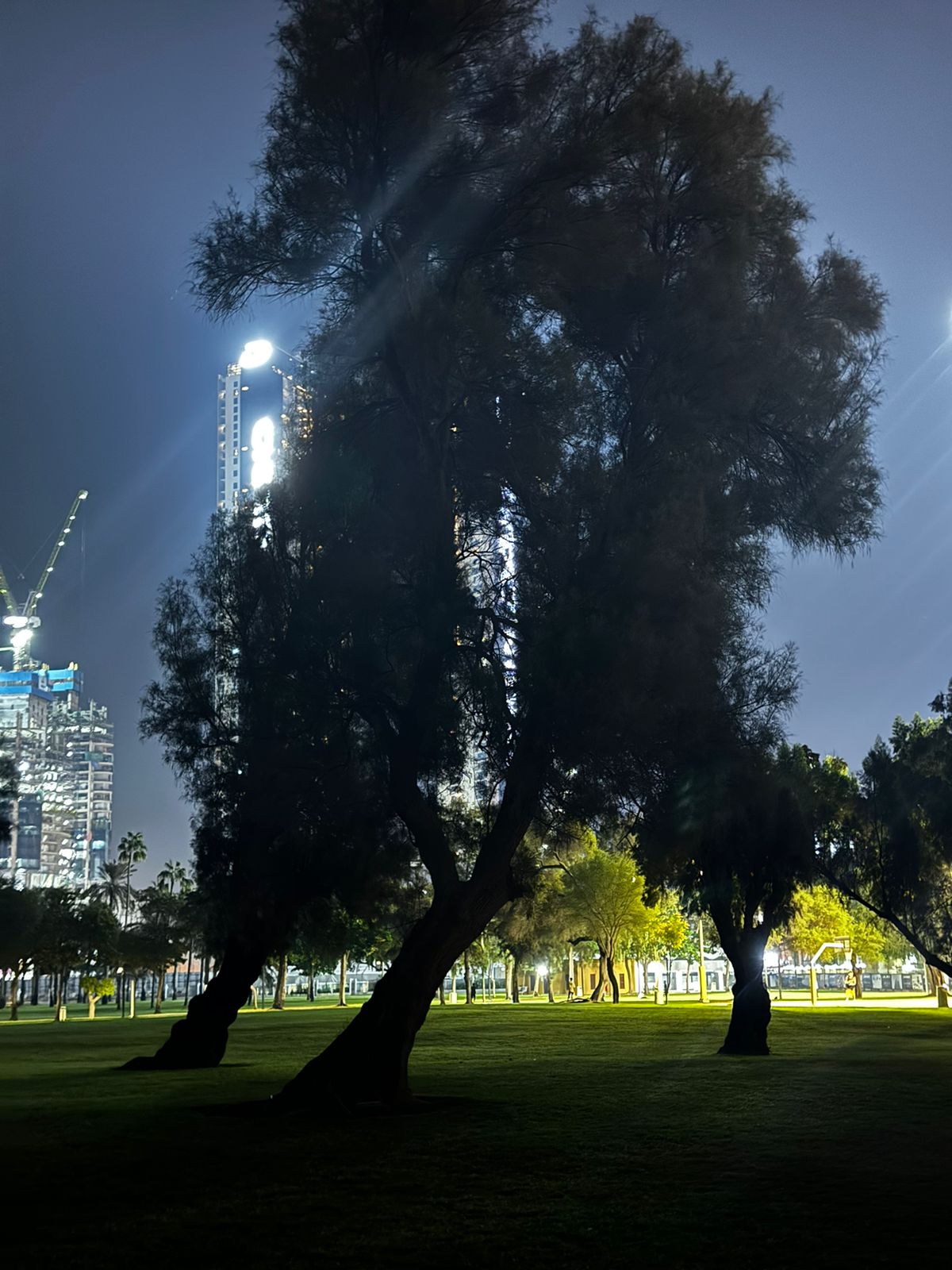

Most visitors arrive in Amman expecting Jordan's capital to impress them in the same way Petra or Wadi Rum do.
It's an understandable mistake.
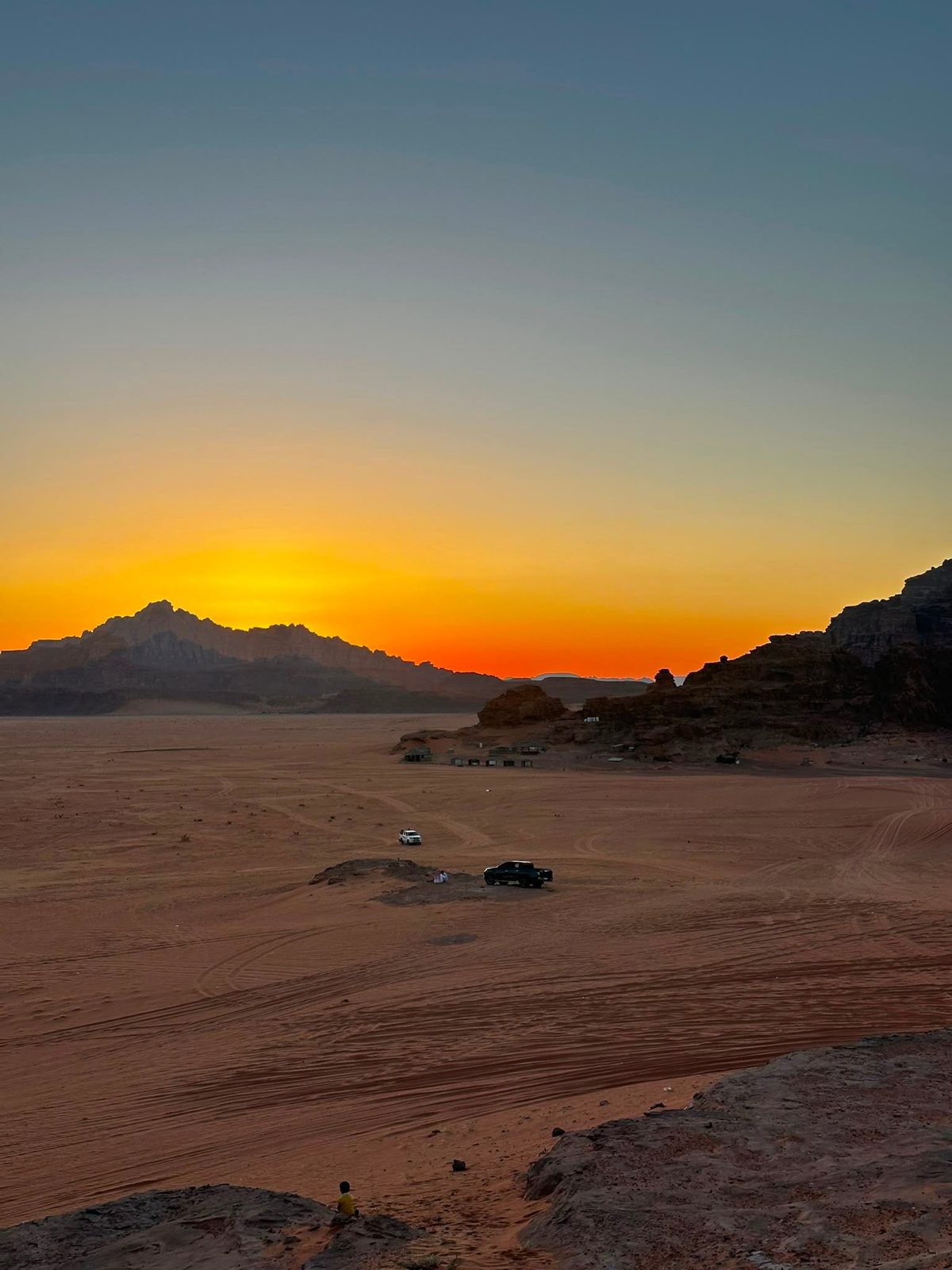
Jordan is home to some of the world's most famous landscapes. Ancient cities carved into rose-red cliffs, endless horizons, and salt-rich waters where floating comes naturally.
Against that backdrop, Amman can feel surprisingly ordinary; there are no dramatic first impressions. No grand reveal. No single attraction that immediately explains the city, and that's precisely why so many people misunderstand it.
Amman is not a city that reveals itself in a day; in fact, the longer you stay, the more difficult it becomes to explain why you like it, because what makes Amman special isn't found on a checklist of attractions.
It's found in the spaces between them.
The conversations. The neighborhoods.
The coffee. The invitations.
The small moments that somehow become the memories you carry home.
The checklist is only the introduction
Visitors often arrive with a list of places to see: the Citadel, the Roman Theater, and Rainbow Street.
They visit them all, take photographs, enjoy the views, and then wonder whether they have truly experienced Amman.
The answer is usually no.
Not because those places aren't worth visiting, they absolutely are, but they're only the introduction.
Amman isn't a city built around monuments; it's a city built around daily life.
The real experience often happens while walking between destinations, stopping for coffee, getting lost in side streets, or accepting an invitation you weren't expecting.
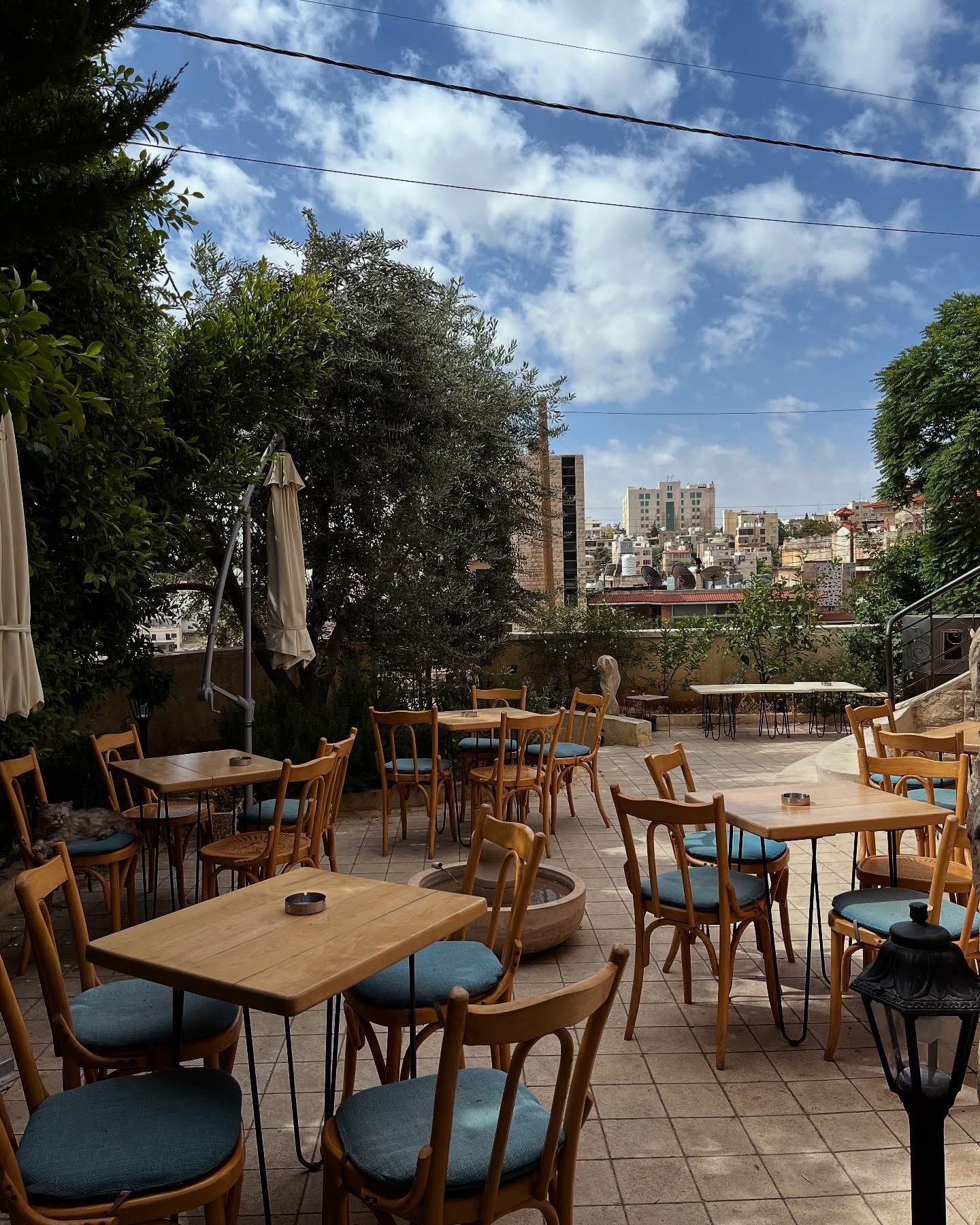
Weibdeh, and a pot of tea at Shay Rahaf
One of the best examples of this can be found in Jabal Al Weibdeh.
Weibdeh doesn't shout for attention; it doesn't need to.
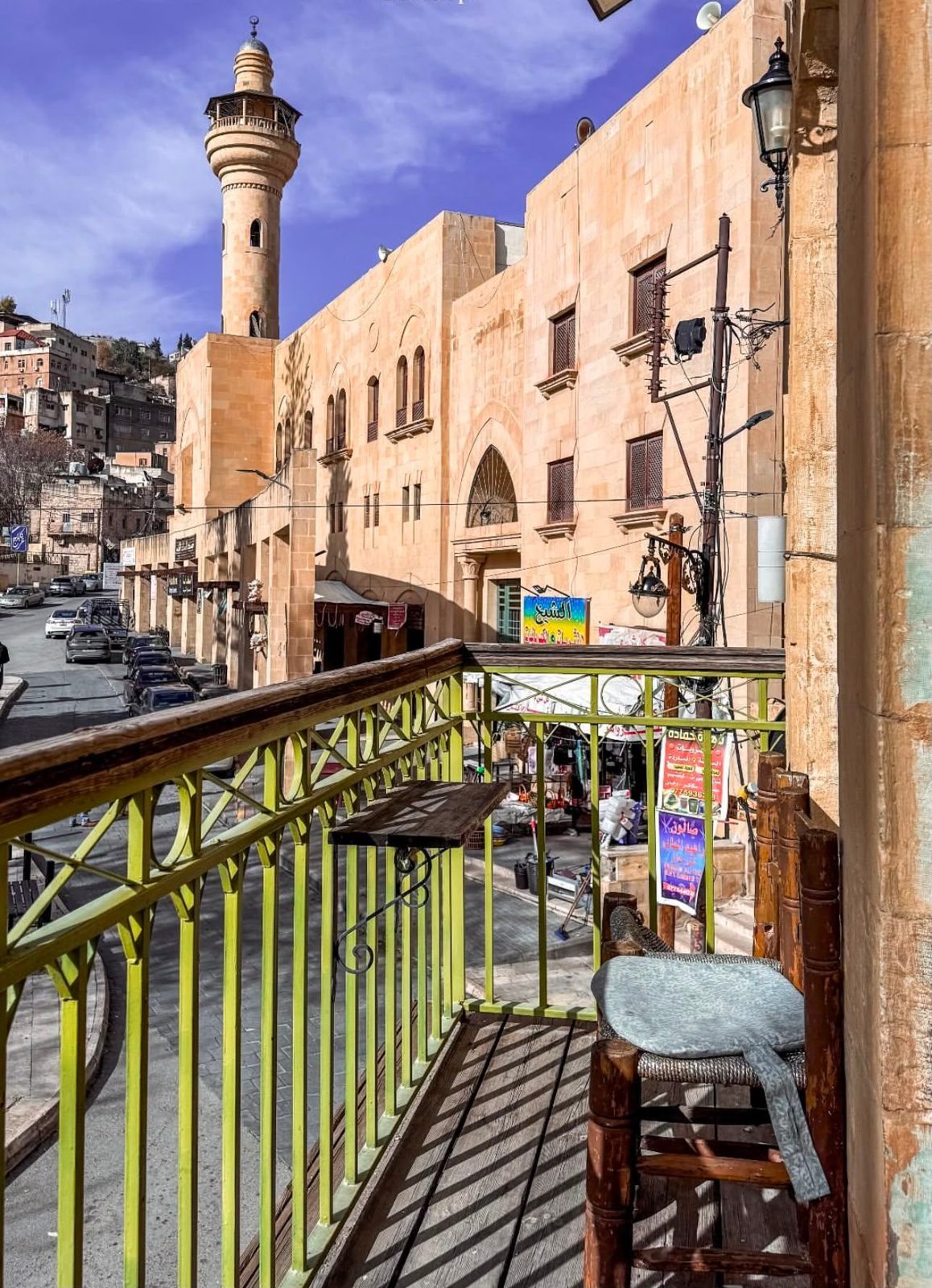
Its old stone buildings, winding streets, independent cafés, and creative spirit offer a glimpse into a slower side of the city. It's the sort of neighborhood where you can begin the day with no particular plan and somehow find yourself wandering for hours.
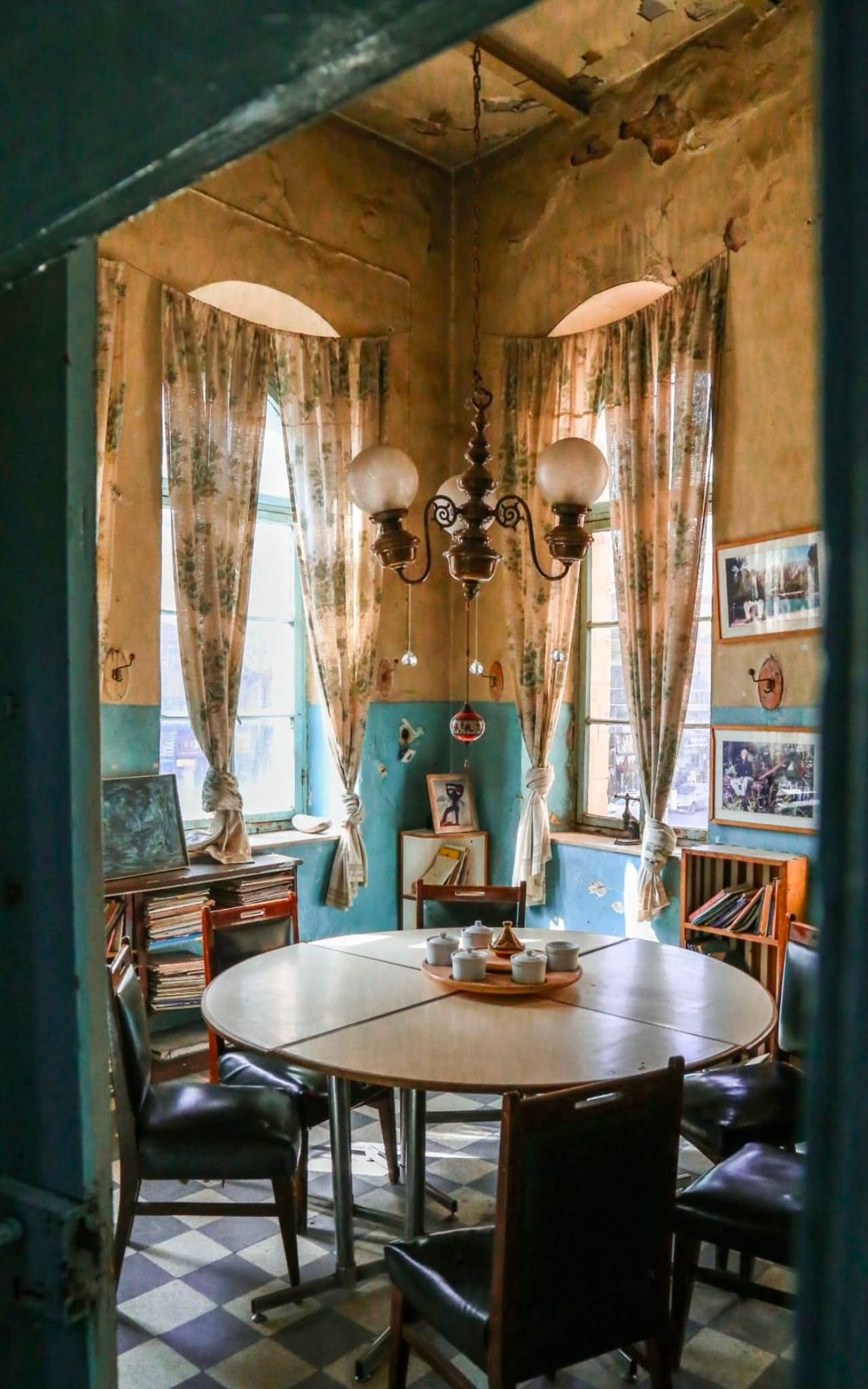
Tucked away in Weibdeh is a small tea house called Shay Rahaf.
On paper, it's a simple concept.
Tea.
In reality, it feels like a reminder that some experiences cannot be rushed.
Visitors can pick fresh mint and za'atar themselves before settling down with a steaming pot of tea. The owner speaks about herbs the way some people speak about old friends. One blend is said to help calm the nerves, another is associated with relaxation, and another with warmth and comfort.
Whether you believe in every herbal remedy or not almost becomes irrelevant.
The point is the ritual,
the conversation, the care.
For an hour or two, the noise of the city fades into the background, and somehow, that cup of tea tells you more about Jordanian hospitality than any brochure ever could.
Abdali, the other Amman
A short drive away, another version of Amman emerges, one that couldn't feel more different.
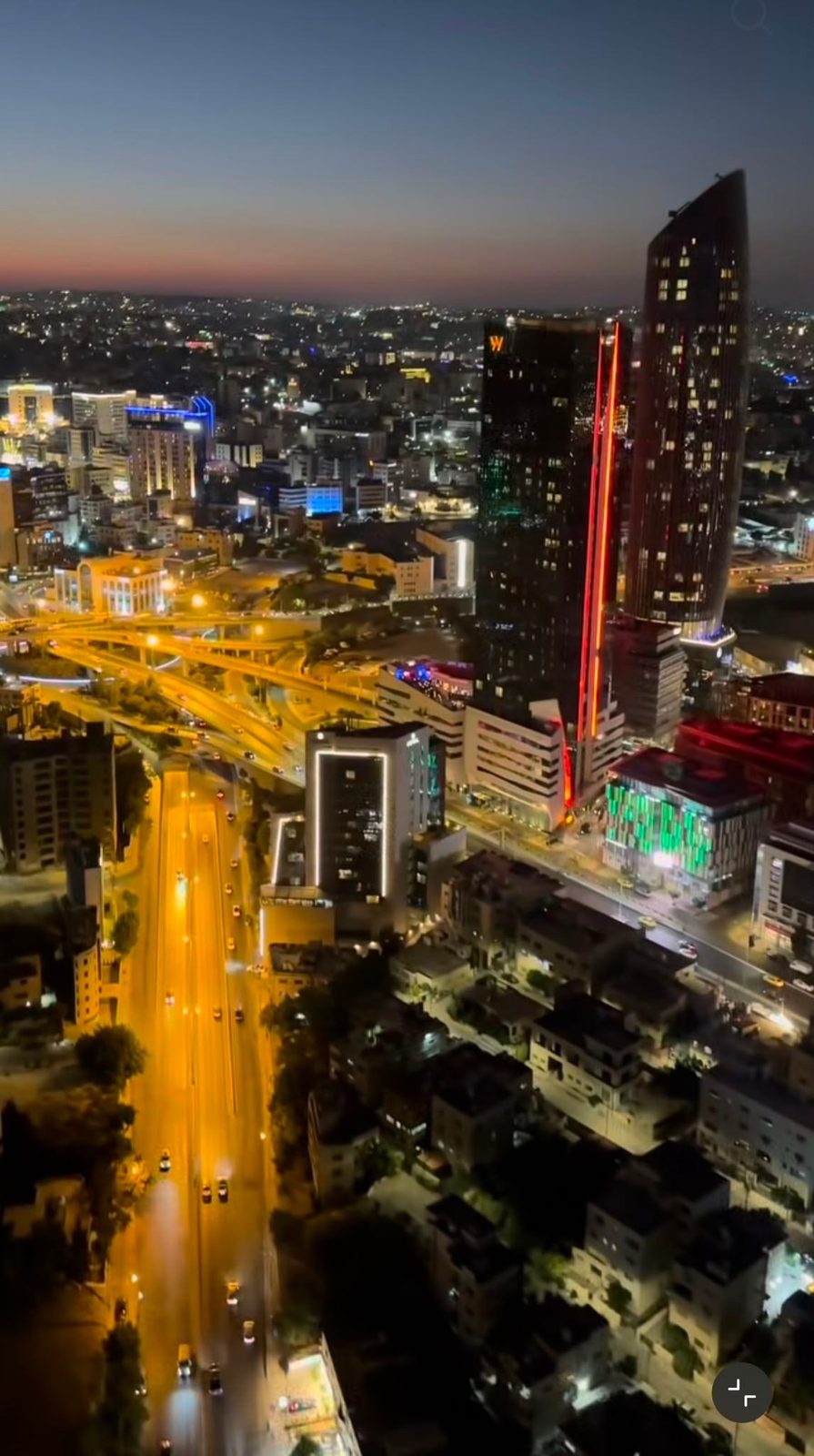
Abdali Boulevard is modern, polished, and constantly moving. Glass buildings rise above pedestrian streets.
Hotels, offices, cafés, restaurants, shops, and even a hospital sit within walking distance of one another. It feels less like a district and more like a small city tucked inside a larger one.
The contrast between Abdali and Weibdeh is striking.
One is old stone and slow conversation; the other is glass, steel, and ambition.
Yet somehow, they both feel unmistakably Ammani.
That's one of the city's greatest strengths.
Amman has never demanded that its different identities compete with one another. They simply coexist, the old and the new, the traditional and the modern, the familiar and the unexpected.
Cafés as living rooms
Perhaps nowhere is that more obvious than in the city's café culture.
Places like Wakers17 and Newton have become second homes for students, freelancers, entrepreneurs, writers, and anyone trying to finish one more project before calling it a night... or morning.
Given that both operate around the clock, the distinction sometimes becomes blurry.
Spend enough time there, and you'll see every version of Amman pass through: university students revising for exams, designers working on deadlines, business owners building ideas from laptops, or just friends catching up over coffee and football matches played live.
In many cities, cafés are places to grab a drink and leave; in Amman, they're often extensions of people's living rooms, places to work, to think, to talk, to stay longer than intended.
Making things, making friends
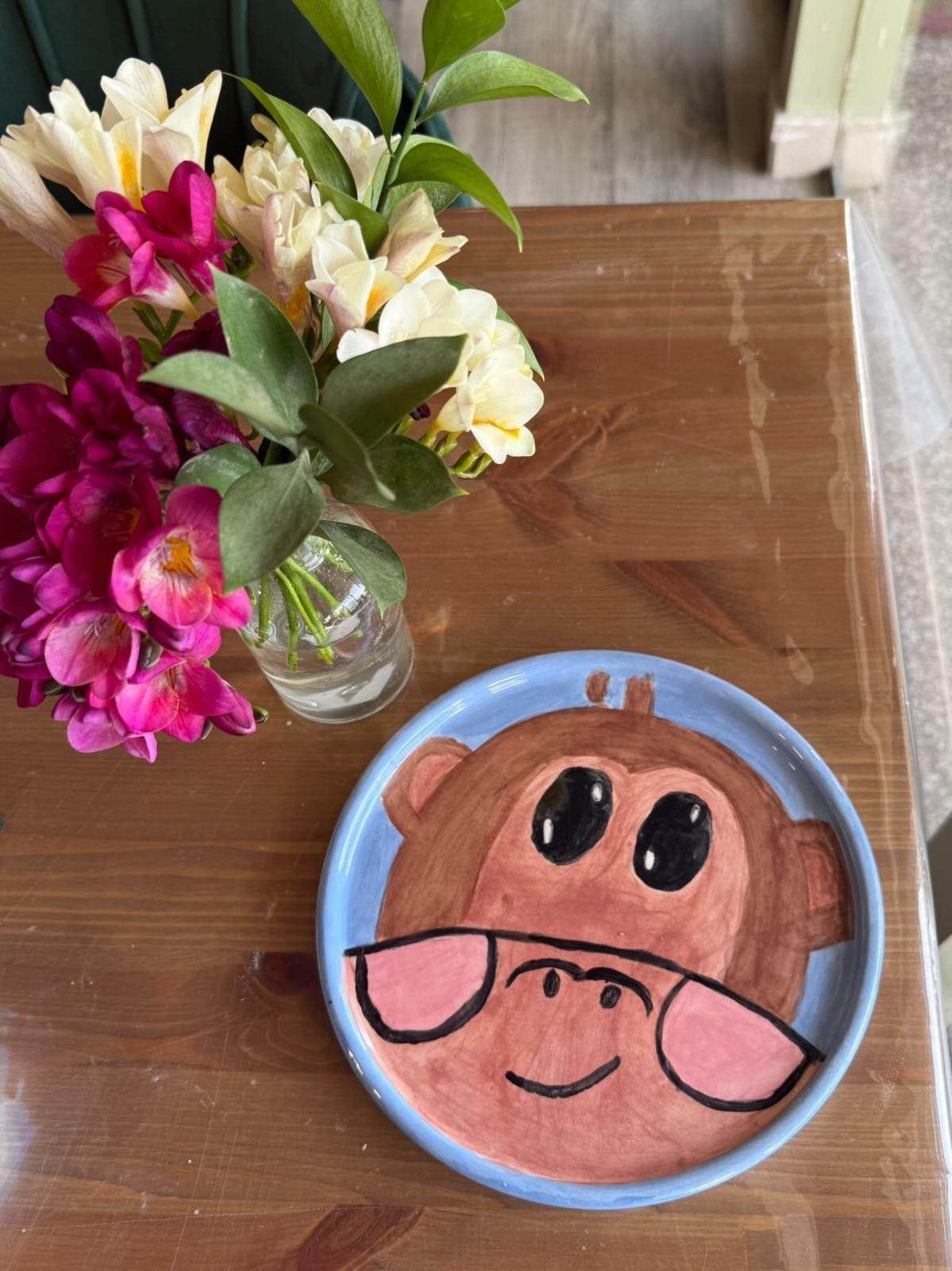
The same spirit appears in places like Art Bodega in Sweifieh, part café, part creative space, which offers visitors the opportunity to paint, create mosaics, make candles, and spend time creating something tangible.
In an age when so much of life exists behind screens, there is something refreshing about watching people gather around a table to make art together.
Some arrive as strangers, some leave as friends, and perhaps that's what makes Amman increasingly interesting today.
The city is finding new ways to create connections while remaining rooted in traditions that have always valued community.
This is exactly why initiatives such as Local Minds have resonated with so many people.
The concept is simple: participants complete a personality test, then are matched with a small group of like-minded people, who meet over coffee. That's it.
No complicated formula, no endless swiping... just conversation.
At first glance, it seems like a very modern idea, but in many ways, it reflects something that has always existed in Jordanian culture.
People gathering, talking, sharing stories,
making room for one chair at the table.
The fact that so many people have embraced the concept says something important about Amman today. Despite living in an increasingly digital world, people are still searching for genuine connections, and Amman remains a city where conversation matters.
Places in this story
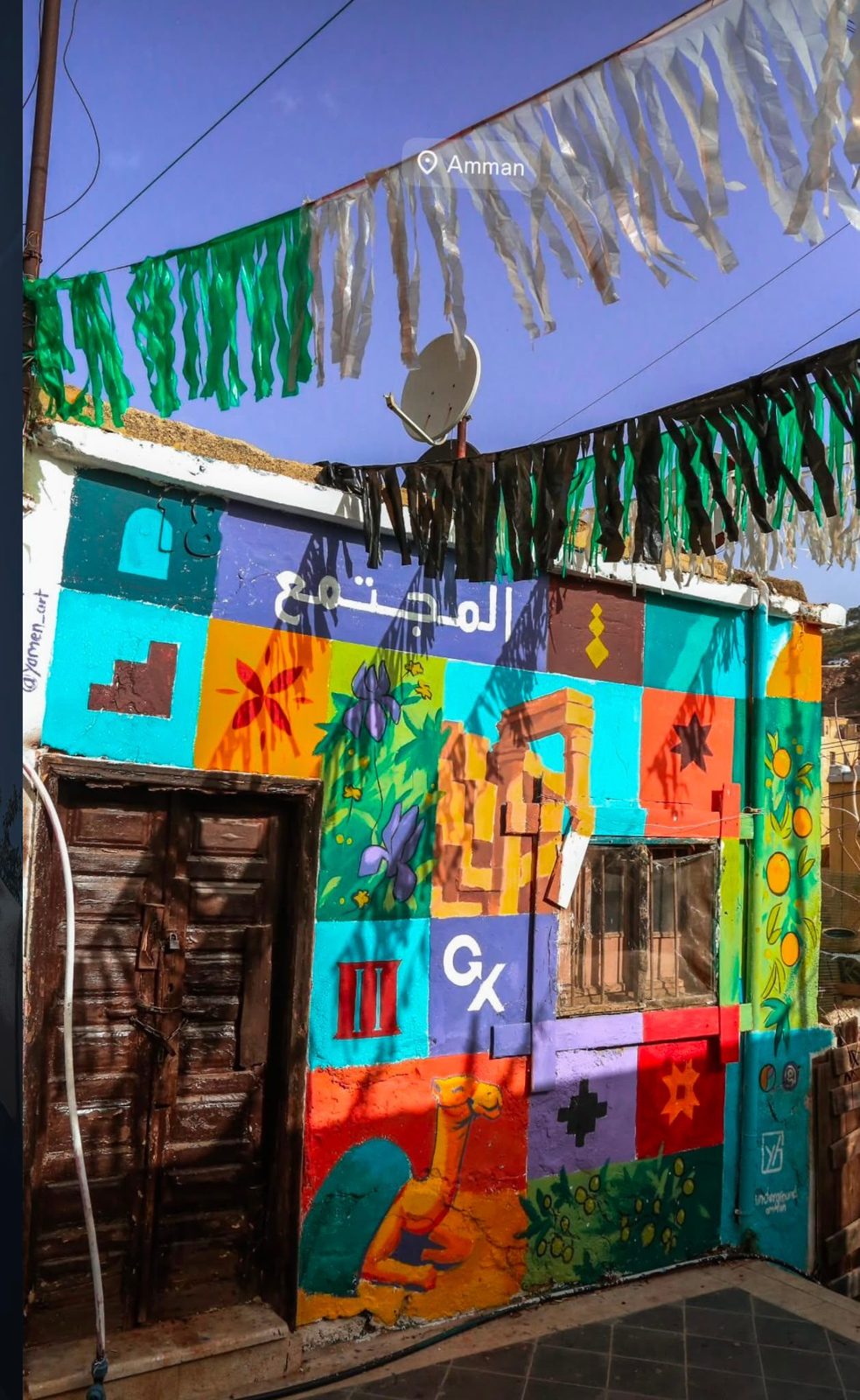
Start in Jabal Al Weibdeh and let the rest of Amman unfold from there.
- Shay Rahaf Tea house · Jabal Al Weibdeh
- Abdali Boulevard The new downtown · Abdali
- Art Bodega Café & creative space · Sweifieh
Planning a longer trip? Start with our guide to the best of Jordan, or read Sara's story about Fann wa Chai, the Weibdeh tea house built by a photographer.